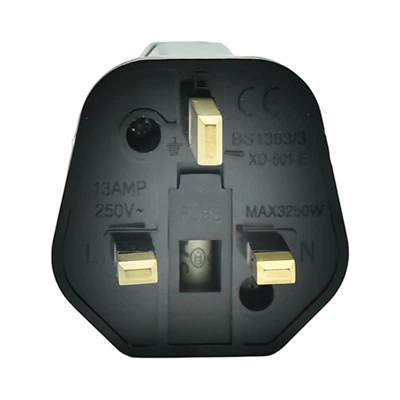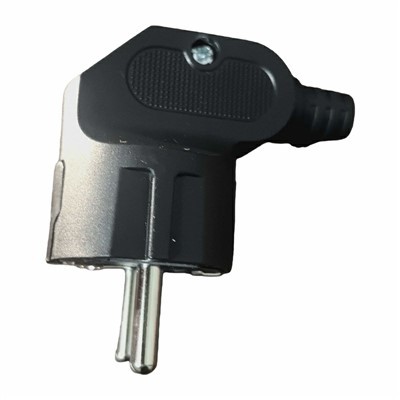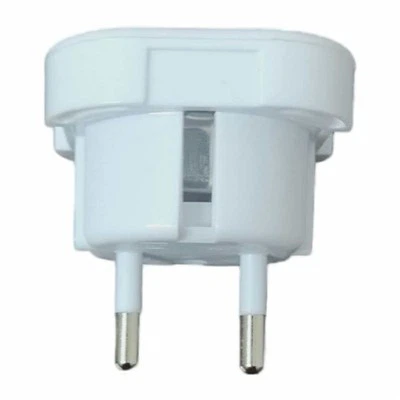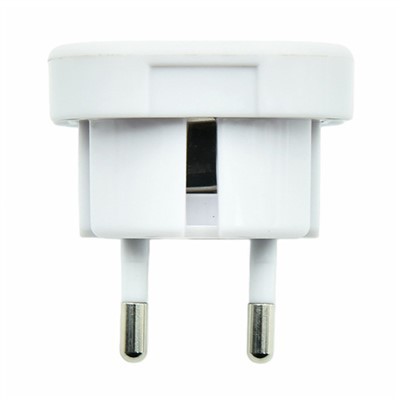
To ensure the safety of your family and property when purchasing and using electrical plugs and sockets, it is essential to understand their safety features and keep the following points in mind:
1. Selection: Purchase from reputable department stores, supermarkets, or specialty shops, and opt for branded products. Select a product that corresponds to (and matches) the power output of the appliance you intend to use; for instance, high-power devices such as air conditioners and electric showers require 16A plugs and sockets, while other low-power household appliances can be adequately served by 10A plugs and sockets.
2. Inspection (Visual): Check to ensure that the product markings are complete and that the CCC (China Compulsory Certification) mark is present.
3. Verification (Documentation): Review the product's Certificate of Conformity as well as any inspection reports issued by statutory authorities. If a specific adapter product is not subject to mandatory certification, you should verify that it has received a passing inspection report from a recognized testing agency.
4. Testing (Physical): Perform a simple plug-in test: when inserted into a socket, the plug should make good contact without feeling loose or wobbly, yet it should still be possible to pull it out without excessive force.
5. Precautions: Do not purchase plugs with rotating pins, nor should you attempt to manually alter the shape of a plug. Avoid using two high-power appliances simultaneously on a single socket. If you notice that a plug, socket, or power cord is overheating - or if you observe any sparking - immediately cease use and replace the faulty component to prevent the situation from escalating into a serious hazard.