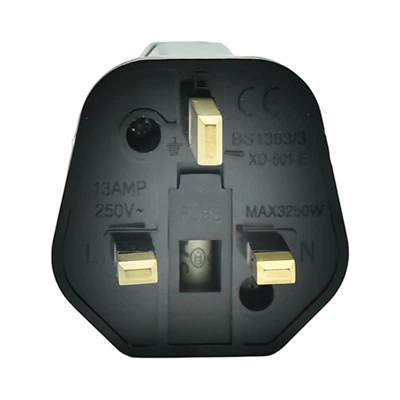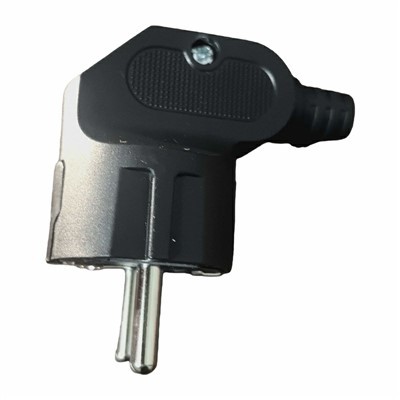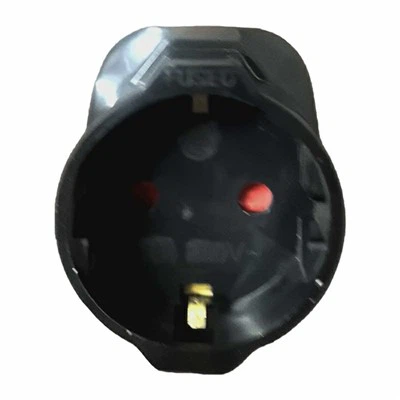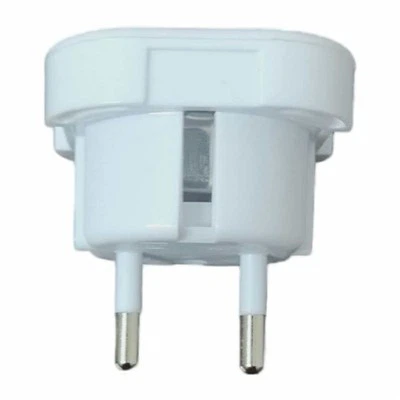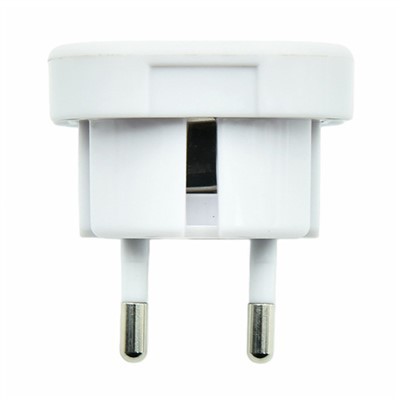
A travel adapter is a power plug adaptation device designed to resolve compatibility issues arising from the differences in plug and socket standards across various countries. By structurally converting the plug type, it enables the use of electrical appliances internationally and is commonly utilized in travel and multi-device charging scenarios.
Due to divergent historical development paths and technical conventions, countries worldwide have established a multitude of mutually incompatible power plug and socket standards.
Its core function is to convert a plug of one specific standard into a plug of another, thereby ensuring compatibility with the sockets available at the destination. Common standards supported by these adapters include the Chinese National Standard (three flat pins), the US Standard (one round and two flat pins), the European Standard (two round pins), the UK Standard (three square pins), and the Australian Standard (V-shaped pins), among others.
Travel adapters primarily address issues regarding physical interface compatibility; they typically do not alter the voltage. Therefore, to determine whether an electrical appliance can be used at a specific destination, one must also verify whether the device supports the local voltage and frequency.
With advancements in technology, modern travel adapters frequently integrate additional features such as USB charging ports, overload protection, and multi-country retractable pins.