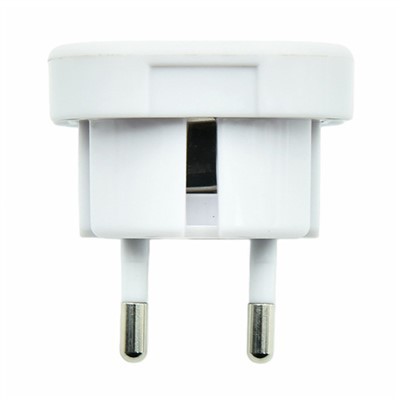
I. Physical Characteristics of European Standard Plugs
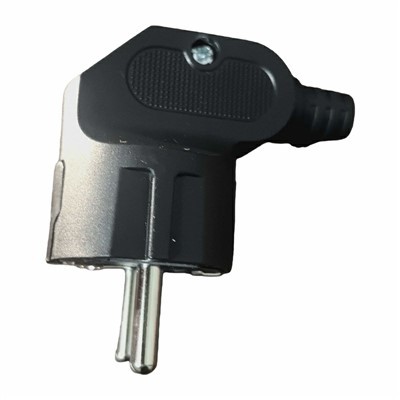
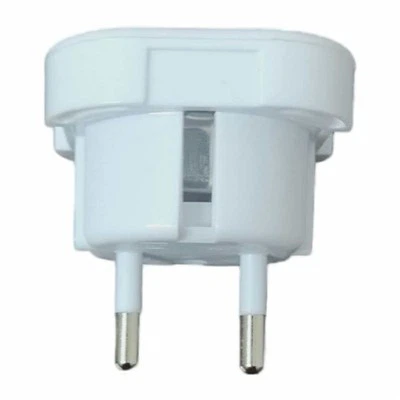
The most distinctive feature of a European standard plug consists of two cylindrical pins with a diameter of 4.8 millimeters, spaced 19 millimeters apart (center-to-center). This design ensures that the plug fits securely into a socket while guaranteeing sufficient contact surface area. The pins typically measure 19 millimeters in length, with the final 5 millimeters of the tips sheathed in insulation to prevent the risk of electric shock. The overall diameter of the plug body is approximately 35 millimeters, making it comfortable to grip for use with most electrical appliances.
II. Practical Considerations Behind the Diameter Design
The 4.8-millimeter pin diameter was not chosen arbitrarily; it is based on several practical considerations:
1. Current Capacity: It is capable of handling a current of up to 16 amperes, satisfying the power requirements of most household appliances.
2. Ease of Insertion/Extraction: Pins that are too thin are prone to bending, while pins that are too thick would make insertion difficult.
3. Compatibility: The dimensions perfectly match the pin apertures found in sockets across various European countries.
4. Durability: The combination of copper pins and this optimized diameter ensures a service life of at least 5,000 insertion-extraction cycles.
III. Common Questions Regarding Usage
Some users wonder why the pins were not designed to be thicker. In reality, increasing the pin diameter could lead to three potential issues: it would necessitate larger socket dimensions, require excessive force to insert or remove the plug, and drive up manufacturing costs. The current dimensions, having undergone extensive long-term validation, strike an ideal balance between safety, convenience, and cost-effectiveness. While specialized applications - such as industrial machinery - may utilize larger-specification plugs, this "golden dimension" has remained the standard in the domestic sector for decades.