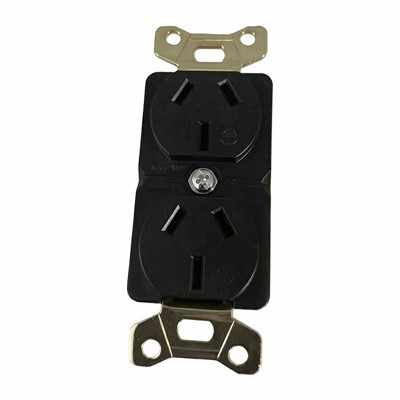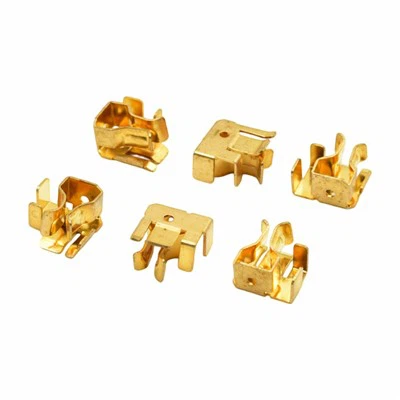

Impedance is a crucial concept in the world of electronics, especially when it comes to audio components. As a panel mount audio socket supplier, I've seen firsthand how understanding impedance can make or break the audio experience. In this blog post, I'll delve into what impedance is, why it matters for panel mount audio sockets, and how it impacts the overall performance of your audio system.


Understanding Impedance
Impedance, measured in ohms (Ω), is a measure of the opposition that a circuit presents to the flow of an alternating current (AC). It combines both resistance (which opposes the flow of direct current) and reactance (which opposes the change in current due to inductance or capacitance). In the context of audio, impedance plays a vital role in ensuring that the audio signal is transferred efficiently from the source to the output device.
For panel mount audio sockets, impedance is a key factor in determining the compatibility between the socket and the connected audio equipment. If the impedance of the socket and the equipment are not matched correctly, it can lead to signal loss, distortion, and a poor audio quality.
Why Impedance Matters for Panel Mount Audio Sockets
When it comes to panel mount audio sockets, impedance matching is essential for several reasons. First and foremost, it ensures maximum power transfer from the audio source to the output device. When the impedance of the socket and the equipment are matched, the audio signal can be transferred with minimal loss, resulting in a clearer and more powerful sound.
Secondly, impedance matching helps to prevent signal reflection. When the impedance of the socket and the equipment are not matched, some of the audio signal can be reflected back towards the source, causing interference and distortion. By ensuring proper impedance matching, we can minimize these reflections and improve the overall audio quality.
Finally, impedance matching is important for the longevity of the audio equipment. When the impedance is not matched correctly, it can put additional stress on the components, leading to premature wear and tear. By ensuring proper impedance matching, we can help to extend the lifespan of the audio equipment and reduce the need for costly repairs.
Factors Affecting the Impedance of Panel Mount Audio Sockets
Several factors can affect the impedance of panel mount audio sockets. These include the materials used in the socket, the design of the socket, and the frequency of the audio signal.
- Materials: The materials used in the construction of the panel mount audio socket can have a significant impact on its impedance. For example, sockets made from high-quality materials such as Brass Socket Insert tend to have lower impedance than those made from lower-quality materials. Brass is a good conductor of electricity, which helps to reduce the resistance and improve the overall performance of the socket.
- Design: The design of the panel mount audio socket can also affect its impedance. Sockets with a more compact design tend to have lower impedance than those with a larger design. This is because the shorter the distance the audio signal has to travel, the lower the resistance and the better the performance.
- Frequency: The frequency of the audio signal can also affect the impedance of the panel mount audio socket. At higher frequencies, the impedance of the socket can increase, which can lead to signal loss and distortion. To ensure optimal performance, it's important to choose a socket that is designed to handle the specific frequency range of your audio system.
Measuring the Impedance of Panel Mount Audio Sockets
Measuring the impedance of panel mount audio sockets is a relatively straightforward process. You can use a multimeter to measure the resistance of the socket, which is a good indicator of its impedance. To do this, simply set the multimeter to the resistance mode and connect the probes to the terminals of the socket. The multimeter will display the resistance in ohms.
It's important to note that the impedance of a panel mount audio socket can vary depending on the frequency of the audio signal. To get a more accurate measurement of the impedance, you can use a network analyzer, which can measure the impedance at different frequencies.
Choosing the Right Panel Mount Audio Socket
When choosing a panel mount audio socket, it's important to consider the impedance requirements of your audio system. You should choose a socket that has an impedance that is compatible with the impedance of your audio equipment.
In addition to impedance, you should also consider other factors such as the size, shape, and durability of the socket. You should choose a socket that is the right size and shape for your application, and that is made from high-quality materials to ensure long-term durability.
Conclusion
In conclusion, impedance is a crucial concept in the world of audio, and it plays a vital role in the performance of panel mount audio sockets. By understanding the importance of impedance and how it affects the audio signal, you can choose the right panel mount audio socket for your application and ensure optimal performance.
If you're in the market for panel mount audio sockets, I encourage you to contact us to discuss your specific requirements. Our team of experts can help you choose the right socket for your application and provide you with the support and guidance you need to ensure a successful installation.
References
- Electronics Fundamentals: Circuits, Devices, and Applications by Thomas L. Floyd
- Audio Engineering Handbook by Glen Ballou