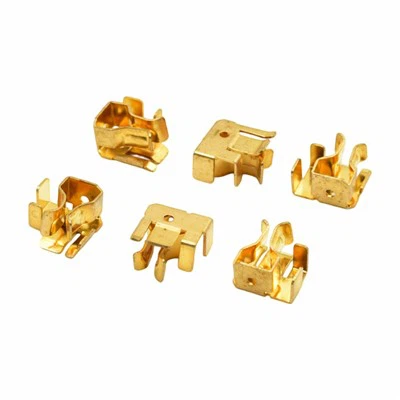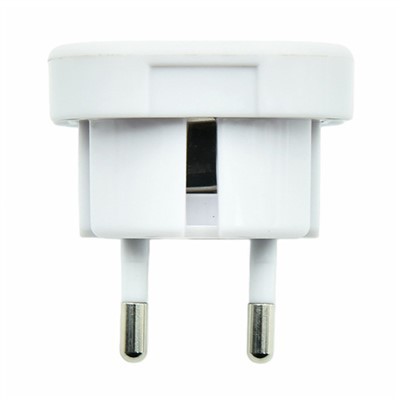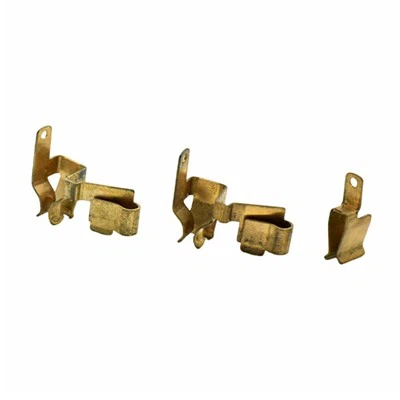

As a supplier of Speaker Terminal Cups, ensuring the proper functioning of our products is of utmost importance. In this blog, I'll share some effective methods to test if a Speaker Terminal Cup is working properly.
1. Visual Inspection
The first step in testing a Speaker Terminal Cup is a thorough visual inspection. Examine the terminal cup for any visible signs of damage, such as cracks, breaks, or deformities. Check the connection points, including the screws or clips that hold the speaker wires. Loose or damaged connection points can lead to poor electrical conductivity and affect the performance of the speaker.


Inspect the surface of the terminal cup for any corrosion or oxidation. Corrosion can impede the flow of electricity and cause signal loss. If you notice any signs of corrosion, it's advisable to clean the terminal cup using a suitable electrical contact cleaner.
2. Continuity Testing
Continuity testing is a fundamental test to determine if the electrical circuit within the Speaker Terminal Cup is intact. You'll need a multimeter for this test. Set the multimeter to the continuity or resistance mode.
First, ensure that the power to the speaker system is turned off. Connect the probes of the multimeter to the two terminals of the Speaker Terminal Cup. If the multimeter shows a low resistance value (close to zero), it indicates that there is continuity in the circuit, and the terminal cup is functioning properly. A high resistance value or an open circuit reading suggests a problem, such as a broken wire or a loose connection.
3. Signal Transmission Testing
To test the signal transmission capabilities of the Speaker Terminal Cup, you can use a signal generator and an oscilloscope. Connect the signal generator to the input of the speaker system through the Speaker Terminal Cup. Set the signal generator to produce a test signal, such as a sine wave.
Connect the oscilloscope to the output of the speaker. Observe the waveform on the oscilloscope screen. If the waveform is clear and matches the input signal, it indicates that the Speaker Terminal Cup is transmitting the signal accurately. Any distortion or attenuation in the waveform may suggest a problem with the terminal cup.
4. Audio Testing
Audio testing is a practical way to evaluate the performance of the Speaker Terminal Cup. Connect the speaker to an audio source, such as a music player or a receiver, using the Speaker Terminal Cup. Play some audio content and listen carefully for any abnormalities, such as crackling, hissing, or distortion.
If you notice any audio issues, try swapping the Speaker Terminal Cup with a known - working one to isolate the problem. If the audio problems persist after swapping, the issue may lie elsewhere in the speaker system.
5. Compatibility Testing
Speaker Terminal Cups come in different sizes and designs to accommodate various speaker wires and connection requirements. It's important to ensure that the Speaker Terminal Cup is compatible with the speaker and the audio system.
Check the specifications of the Speaker Terminal Cup and compare them with the requirements of the speaker. Ensure that the terminal cup can securely hold the speaker wires and provide a reliable electrical connection. Incompatible terminal cups may cause loose connections, signal loss, or even damage to the speaker.
6. Environmental Testing
Speaker Terminal Cups may be exposed to various environmental conditions, such as temperature, humidity, and vibration. To ensure their reliability, it's advisable to conduct environmental testing.
You can subject the Speaker Terminal Cup to different temperature and humidity levels in a controlled environment. Monitor the performance of the terminal cup under these conditions. High temperatures can cause the materials to expand, while high humidity can lead to corrosion. Vibration testing can also be performed to simulate real - world conditions and check for any loose connections or structural damage.
7. Quality of Components
The quality of the components used in the Speaker Terminal Cup can significantly affect its performance. As a supplier, we use high - quality materials to ensure the reliability and durability of our products.
For example, we offer Female Plug Components that are designed to provide a secure and stable connection. Our Pure Copper Power Strip Internal Parts offer excellent electrical conductivity, which is crucial for the proper functioning of the Speaker Terminal Cup. Additionally, our Fire Retardant Socket Housing provides an extra layer of safety.
Conclusion
Testing a Speaker Terminal Cup is essential to ensure its proper functioning and the overall performance of the speaker system. By following the methods outlined in this blog, you can effectively test the terminal cup and identify any potential issues.
If you're in the market for high - quality Speaker Terminal Cups or other related products, we're here to help. Our products are designed to meet the highest standards of quality and performance. Contact us to discuss your requirements and explore how our products can meet your needs. We look forward to the opportunity to work with you and provide you with the best solutions for your audio systems.
References
- Electrical Testing Handbook
- Speaker System Design and Troubleshooting Guide