
Hey there! As a mains plug supplier, I get asked a ton about the difference between two - pin and three - pin mains plugs. So, I thought I'd break it down for you in this blog post.
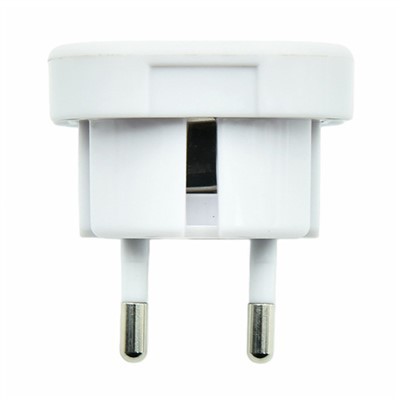
Let's start with the basics. A two - pin mains plug, as the name suggests, has two prongs. These are typically used for appliances that don't require an earth connection. Appliances like small electronics, lamps, and some chargers often use two - pin plugs. The two pins are usually for the live and neutral wires. The live wire carries the electrical current from the power source, while the neutral wire provides the return path for the current.
On the other hand, a three - pin mains plug has three prongs. In addition to the live and neutral pins, there's an extra pin for the earth connection. The earth pin is crucial for safety. It provides a path for electrical current to flow into the ground in case of a fault, like a short circuit. This helps prevent electric shocks and protects both the user and the appliance. Appliances that have metal casings or are more likely to come into contact with water, such as refrigerators, washing machines, and kettles, usually use three - pin plugs.
One of the main differences between the two is safety. Two - pin plugs lack the earth connection, which means that in the event of a fault, there's no safe way for the electrical current to be diverted. This can be dangerous, especially for larger appliances. Three - pin plugs, with their earth connection, offer an extra layer of protection.
Another difference is the power capacity. Two - pin plugs are generally used for low - power appliances. They're designed to handle lower electrical currents. For example, a small table lamp might use a two - pin plug because it doesn't require a lot of power. Three - pin plugs, on the other hand, can handle higher power loads. Appliances like electric heaters and air conditioners need more power, and they're usually equipped with three - pin plugs.
Now, let's talk about the physical design. Two - pin plugs are often smaller and simpler in design. They're easy to insert and remove from sockets. Three - pin plugs are a bit larger due to the extra earth pin. They also have a specific orientation, which means you need to insert them in the correct way. This is to ensure that the earth connection works properly.


In terms of compatibility, two - pin plugs are more universal. They can be used in many different countries, especially in places where the electrical standards are less strict. Three - pin plugs, however, can vary from country to country. Different countries have different standards for the shape, size, and arrangement of the pins. For example, in the UK, the three - pin plug has a specific design that's different from the ones used in the US or Europe.
At our company, we offer a wide range of mains plugs to meet your needs. If you're looking for a two - pin plug, we have options like the Type C Plug 10A. It's a great choice for small appliances and chargers. For three - pin plugs, we have the Industrial Euro Plug 20A, which is suitable for high - power industrial applications. And if you need a smaller three - pin plug, our Mini Euro Plug 5A is a perfect option.
Whether you're a homeowner looking to replace a plug or a business in need of bulk orders, we've got you covered. Our plugs are made from high - quality materials to ensure safety and reliability. We also offer competitive prices and excellent customer service.
If you're interested in purchasing our mains plugs, feel free to reach out to us for a quote. We're always happy to discuss your requirements and find the best solution for you.
References:
- Electrical Safety Standards Handbook
- International Electrical Codes and Regulations
So, that's the lowdown on the difference between two - pin and three - pin mains plugs. I hope this post has been helpful. If you have any more questions, don't hesitate to ask!