
Hey there! As a supplier of Panel Mount Audio Sockets, I've had my fair share of dealing with interference issues. It's a common headache for many, but don't worry, I've got some tips and tricks up my sleeve to help you prevent interference in your panel mount audio sockets.
First off, let's understand what causes interference in the first place. Interference can come from a variety of sources, such as electromagnetic fields (EMF), radio frequency interference (RFI), and even power supply noise. These can disrupt the audio signal, leading to unwanted noise, distortion, or even complete signal loss.
One of the most effective ways to prevent interference is to use shielded cables. Shielded cables have a layer of conductive material, usually copper or aluminum, that surrounds the audio signal wires. This shield acts as a barrier, blocking out external electromagnetic and radio frequency interference. When choosing shielded cables, make sure they are of high quality and properly grounded.
Another important factor is the installation of the panel mount audio socket. The socket should be installed in a location away from sources of interference, such as power cables, motors, and other electronic devices. It's also a good idea to use a metal panel or enclosure to further shield the socket from external interference.
In addition to using shielded cables and proper installation, you can also use ferrite beads. Ferrite beads are small, cylindrical components that are placed on the audio cables. They act as a filter, absorbing high-frequency noise and preventing it from reaching the audio socket. Ferrite beads are inexpensive and easy to install, making them a great option for preventing interference.
Now, let's talk about the power supply. A noisy power supply can also cause interference in the audio signal. To prevent this, use a high-quality power supply that is designed for audio applications. Make sure the power supply is properly grounded and has low ripple and noise. You can also use a power conditioner or an uninterruptible power supply (UPS) to further reduce power supply noise.


When it comes to the panel mount audio socket itself, choose a high-quality socket that is designed to reduce interference. Look for sockets that have a metal shell or shielding to block out external interference. Some sockets also have built-in filters or grounding options to further reduce interference.
In addition to these technical solutions, there are also some general best practices that you can follow to prevent interference. For example, keep your audio equipment clean and free of dust and debris. This can help prevent electrical shorts and other issues that can cause interference. Also, make sure your audio equipment is properly calibrated and adjusted to ensure optimal performance.
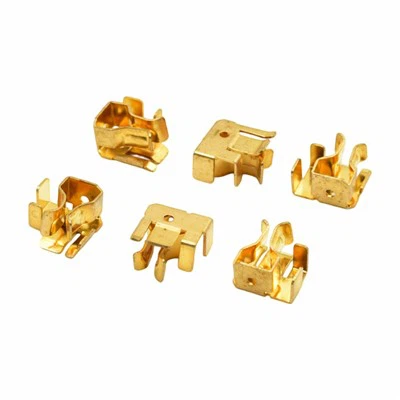
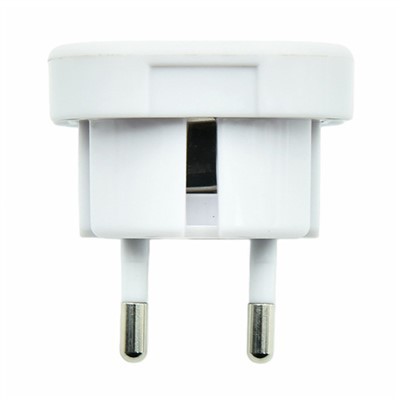
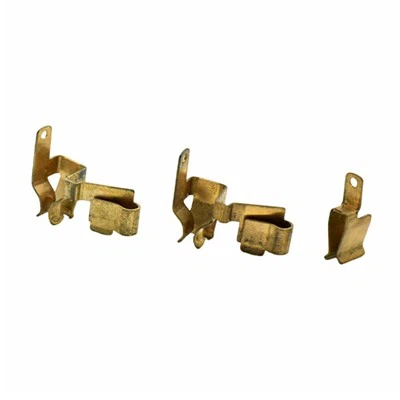
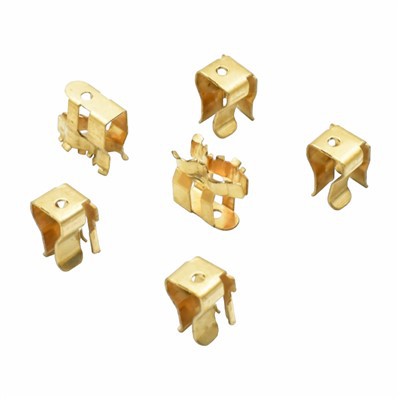
Now, let's take a look at some of the products that we offer as a Panel Mount Audio Socket supplier. We have a wide range of sockets available, including 10A 250V Chinese Standard Wall Socket, Universal Socket Adapter, and Brass Socket Insert. These products are designed to provide high-quality audio connections and reduce interference.
If you're interested in purchasing any of our products or have any questions about preventing interference in panel mount audio sockets, feel free to contact us. We're here to help you find the best solutions for your audio needs.
In conclusion, preventing interference in panel mount audio sockets is essential for ensuring high-quality audio performance. By using shielded cables, proper installation, ferrite beads, and a high-quality power supply, you can significantly reduce interference and enjoy clear, crisp audio. If you have any further questions or need more information, don't hesitate to reach out. We're always happy to help!
References:
- "Electromagnetic Interference and Compatibility Handbook" by Henry W. Ott
- "Audio Engineering: Principles and Practice" by Glen Ballou